
Himachal Pradesh Travel Guide 2027: Where to Go, When to Go and How to Get There

Quick answer: This Himachal Pradesh travel guide covers where to go, when to go and how to get in. Most trips start from Delhi or Chandigarh and follow one of three loops: Shimla and Kullu-Manali, Dharamshala and Dalhousie, or the high-altitude Spiti circuit through Kinnaur. Summer runs from mid-April to the end of June and winter from late November to mid-March. Himachal has three domestic airports, at Shimla, Kullu-Manali (Bhuntar) and Kangra (Gaggal). The Manali side road into Spiti is closed for about 7 winter months, while the Kinnaur side stays open the whole year.
Himachal Pradesh packs an unusual range of travel into one state. In a single trip you can ride the UNESCO-listed Kalka-Shimla toy train. You can walk through cedar forest to the 16th-century Hidimba Devi Temple in Manali. You can visit McLeod Ganj, home of the Tibetan government-in-exile, and drive into the cold desert of Spiti. This guide is the starting point for planning any of it. It explains how the state is laid out, what each region is best for, the seasons and road closures that shape every itinerary, how to get in by air, rail and road, and the permits and rules you need to know. Each region links to a detailed guide, and every fact has been checked against the sources listed at the end.
Himachal Pradesh at a Glance
| Became a state | 25 January 1971, as the 18th state of India |
|---|---|
| Capitals | Shimla (summer), Dharamshala (winter) |
| Districts | 12 |
| Area | 55,673 sq km |
| Borders | Jammu and Kashmir and Ladakh (north), Punjab (west), Haryana (southwest), Uttarakhand (southeast), Uttar Pradesh (south), Tibet Autonomous Region of China (east) |
| Languages | Hindi (official), Sanskrit (additional official); most people speak Western Pahari languages |
| Airports | Shimla, Kullu-Manali (Bhuntar), Kangra (Gaggal) |
| UNESCO World Heritage | Kalka-Shimla Railway (added 2008); Great Himalayan National Park Conservation Area (2014) |
Himachal Pradesh Travel Guide: Geography, History and Seasons
Himachal Pradesh is the northernmost state of India. It borders the union territories of Jammu and Kashmir and Ladakh to the north, Punjab to the west, Haryana to the southwest, Uttarakhand to the southeast and Uttar Pradesh to the south. To the east it shares an international border with the Tibet Autonomous Region of China.
The state is divided into 12 districts: Bilaspur, Chamba, Hamirpur, Kangra, Kinnaur, Kullu, Lahaul and Spiti, Mandi, Shimla, Sirmaur, Solan and Una. Himachal became a full state on 25 January 1971, the 18th state of the Indian Union. Shimla is the summer capital and Dharamshala the winter capital.
For travellers, the most important thing to understand is how much the climate changes with altitude. Broadly, Himachal has three seasons: summer, winter and a rainy season. Summer lasts from mid-April until the end of June. Winter runs from late November to mid-March, and snowfall is common in the alpine areas. Lahaul and Spiti, behind the main mountain range, are cold and almost rainless, which is why they are visited in summer rather than during the monsoon. Hindi is the official language, Sanskrit an additional official language, and most people natively speak one of the Western Pahari languages, locally called Himachali or Pahari.
Places to Visit in Himachal Pradesh, Region by Region
Think of Himachal as a set of regions rather than a list of towns, because each region has its own road, season and character.
Shimla and around
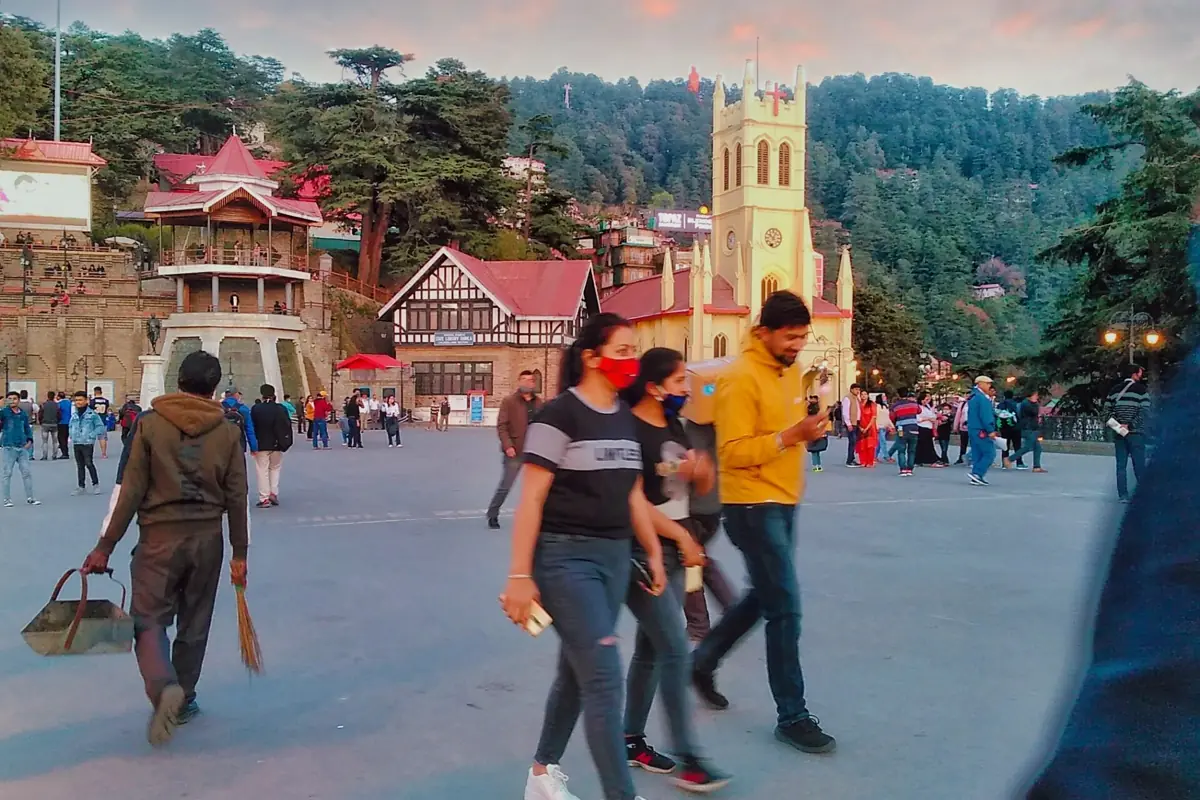
Shimla is the summer capital and largest city of Himachal Pradesh, at about 2,376 metres. It became the summer capital of British India in 1864, and its centre around The Ridge, Mall Road and Christ Church still shows that history. The Kalka-Shimla Railway, a narrow-gauge line added to UNESCO’s Mountain Railways of India listing in 2008, ends here. Kufri is 12 km away on National Highway 5, the road that continues east to Narkanda and Kinnaur. Detailed guides: Shimla travel guide and places to visit in Shimla.
Kullu, Manali and the Parvati Valley
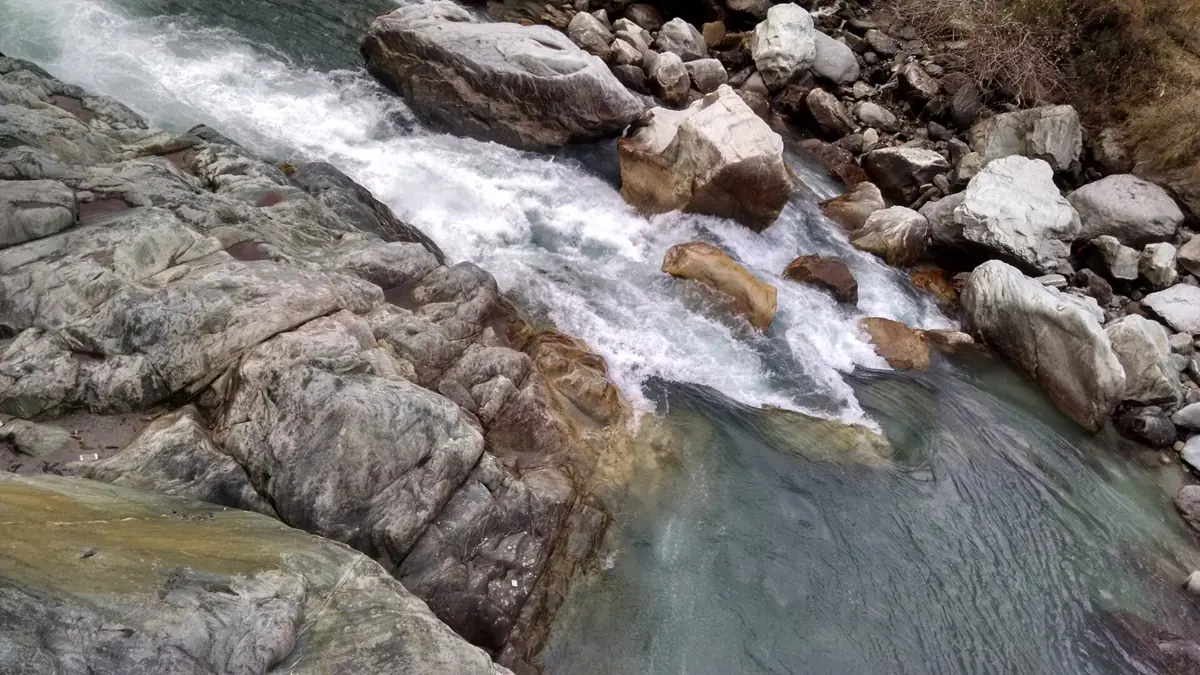
Manali sits at the northern end of the Kullu Valley at about 2,050 metres. The Hidimba Devi Temple was built in 1553. Solang Valley is 14 km away. The Atal Tunnel leads on to Lahaul. Down the valley, Kasol stands on the Parvati River at about 1,580 metres and is the base for treks to Malana and Kheerganga. Manikaran, about 4 km away, is known for its hot springs and gurdwara. The Great Himalayan National Park Conservation Area in Kullu district was inscribed as a UNESCO World Heritage Site in 2014. Detailed guides: Manali travel guide and Kasol travel guide.
Dharamshala, McLeod Ganj and the Kangra Valley
Dharamshala lies in the Kangra Valley under the Dhauladhar range. Its lower town is at about 1,457 metres, and the upper town, which includes McLeod Ganj, is home to the official residence and headquarters of the 14th Dalai Lama. McLeod Ganj is the headquarters of the Central Tibetan Administration and the starting point for the Triund trek. Further east, Bir Billing has become known as the paragliding capital of India. Detailed guide: Dharamshala travel guide.
Dalhousie, Khajjiar and Chamba
Dalhousie is a hill station in Chamba district spread across five hills at about 1,970 metres, 17 km from Khajjiar. Khajjiar, at about 1,920 metres, is nicknamed the “Mini Switzerland of India” and combines lake, pasture and forest. This pair fits well with Dharamshala on a western Himachal loop.
Kasauli and the Solan hills
Kasauli is a town and cantonment in Solan district at about 1,800 metres. The British established the cantonment in 1842, and it is only 58 km from Chandigarh, which makes it a quick hill escape from the city.
Kinnaur
Kinnaur covers the Sangla Valley along the Baspa river, the village of Chitkul and Kalpa. Chitkul, at about 3,450 metres, is the last village of the Baspa Valley and the last point in India you can travel to without a permit. The road through Kinnaur is also the year-round approach to Spiti from Shimla.
Lahaul and Spiti
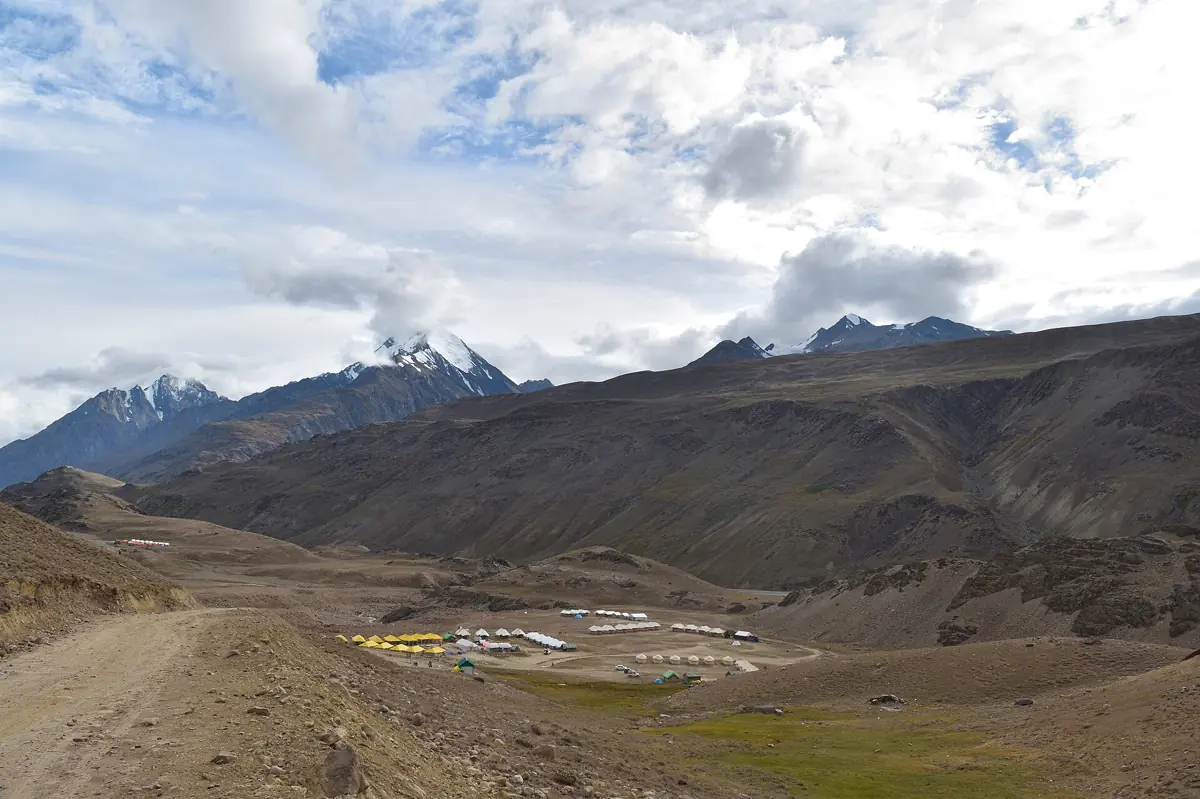
Spiti is a high-altitude cold desert. Its main town, Kaza, sits at about 3,650 metres, and the Key, Tabo and Dhankar monasteries belong to the Gelug school of Tibetan Buddhism. Chandratal Lake, at about 4,250 metres, is frozen from December to March and reachable from late May to early October. Lahaul is reached from Manali through the Atal Tunnel. Detailed guide: Spiti Valley travel guide.
For a side-by-side comparison of altitudes and highlights, see our list of places to visit in Himachal Pradesh.
Best Time to Visit Himachal Pradesh
The best time to visit Himachal Pradesh depends on the region and on what you want to do. Use this table to match your dates to a destination:
| Season | When | Good for | Plan around |
|---|---|---|---|
| Summer | Mid-April to end of June | Shimla, Manali, Dharamshala, Dalhousie, Kasauli | Book stays early in the big hill stations |
| Rainy season | After summer | Green valleys | Check road status before every mountain drive |
| Winter | Late November to mid-March | Snow at Shimla, Kufri, Manali and Solang | Snowfall is common in alpine areas; high passes close |
| Spiti via Manali | Only while Kunzum Pass is open | The full Spiti circuit | Opening depends on the weather and road clearing by the Border Roads Organisation |
| Spiti via Kinnaur | The whole year | Winter Spiti trips | The only winter route in |
Two snow details are worth knowing. Manali’s snowfall comes mainly between December and the beginning of March, while Shimla’s now falls mostly in January or early February. Read our guide to snowfall in Manali for month-by-month temperatures.
How to Reach Himachal Pradesh
By air
Himachal has three domestic airports, in Kangra, Kullu and Shimla districts:
- Kullu-Manali Airport (Bhuntar): about 10 km from Kullu and 50 km from Manali.
- Kangra Airport (Gaggal): about 15 km from Dharamshala.
- Shimla Airport: about 22 km from Shimla.
Check current schedules before planning around these airports. Chandigarh is the usual alternative, followed by a road journey into the hills.
By train
- Kalka: change here for the Kalka-Shimla toy train.
- Pathankot: start of the narrow-gauge Pathankot-Jogindernagar line through the Kangra Valley, and the railhead for Dharamshala.
- Una: the only broad-gauge line in the state runs to Amb Andaura in Una district.
By road
Most visitors arrive by road from Delhi or Chandigarh. National Highway 5 runs through Kalka, Solan and Shimla towards Kinnaur, and National Highway 3 runs through Mandi and Kullu to Manali and on to Leh. The state-run Himachal Road Transport Corporation (HRTC) operates bus services that connect the main towns with villages across the state. Route-by-route guides: how to reach Manali, how to reach Shimla and how to reach Dharamshala.
Getting Around Himachal Pradesh
- Buses: HRTC buses link most towns and many villages.
- Taxis: local taxi stands run trips from most hill towns; agree the fare before you start.
- Self-drive: roads are narrow and winding. Drive in daylight, use low gears on descents and carry snow chains in winter.
- Atal Tunnel: the 9.02 km tunnel gives all-weather road access between Manali and the Lahaul-Spiti valley. Its south portal is 25 km from Manali at 3,060 metres, and it cuts the road distance between Manali and Leh by 46 km.
Himachal Pradesh Itinerary Ideas
7 days: Shimla, Kullu and Manali
- Days 1–2: Shimla, with a half day at Kufri.
- Day 3: drive to the Kullu Valley.
- Days 4–6: Manali, Solang Valley and the Atal Tunnel; Rohtang Pass between May and November with a permit.
- Day 7: Kasol and Manikaran on the way back down the valley.
7 days: Dharamshala, Dalhousie and Khajjiar
- Days 1–3: Dharamshala and McLeod Ganj, including the Triund hike.
- Days 4–6: Dalhousie and Khajjiar.
- Day 7: return via Pathankot.
10 to 12 days: the Spiti circuit
- Shimla to Kinnaur (Sangla, Chitkul, Kalpa), then Tabo and Kaza, then Chandratal and out over Kunzum Pass to Manali.
- Do this direction only while Kunzum Pass is open, and build rest days into the plan at Kalpa and Kaza.
Permits and Road Rules
Rohtang Pass permit: every vehicle visiting Rohtang Pass for tourism needs a permit from the official portal, rohtangpermits.hp.gov.in. Permits are issued online in two time windows, at 10:00 and 16:00, and only for the next 2 days. For a car or jeep the permit fee is ₹500 plus a ₹50 congestion charge, and the congestion charge applies to all vehicles crossing Gulaba Bridge. You need a valid ID, a valid PUC certificate and a vehicle no more than 10 years old, and a printout of the permit is compulsory.
Spiti from Manali: the Manali-Kaza road crosses Kunzum Pass and is closed for about 7 winter months. The route through Kinnaur (Shimla, Pooh, Tabo, Kaza) stays open the whole year.
Beyond Chitkul: Chitkul is the last point in India you can travel to without a permit, so do not plan to continue further up the Baspa Valley without one.
Festivals and Culture
Kullu Dussehra, which the state government has given international festival status, is held in October. It begins on Vijay Dashmi and continues for seven days. Tibetan Buddhism shapes McLeod Ganj and Spiti: the Tibetan government-in-exile has been based in Dharamshala since 1960, and the Gelug, Nyingma and Sakya schools of Tibetan Buddhism all have monasteries in Spiti.
Himachal Pradesh Travel Tips
- Carry enough cash for remote valleys such as Spiti, Kinnaur and the upper Parvati Valley.
- In Spiti and Lahaul, go up slowly, drink enough water, do not drink alcohol and plan rest days. Altitude sickness starts with symptoms such as a headache, feeling sick, tiredness and dizziness. It usually gets better with rest but can sometimes be life-threatening, so get medical help if symptoms get worse.
- Ask before photographing people, monasteries or ceremonies.
- Check the weather and road status before every mountain drive, especially in the rainy season and winter.
- For more ideas across India, see our guides to popular hill stations in India, outdoor adventure activities in India and wildlife sanctuaries and national parks in India.
Himachal Pradesh Travel FAQs
What is the best time to visit Himachal Pradesh?
Mid-April to the end of June suits most of the state. For snow, go between late November and mid-March. For Spiti via Manali, go only while Kunzum Pass is open.
What is the capital of Himachal Pradesh?
Shimla is the summer capital and Dharamshala is the winter capital.
How many airports does Himachal Pradesh have?
Three domestic airports: Shimla, Kullu-Manali at Bhuntar, and Kangra at Gaggal.
Which airport is closest to Manali?
Kullu-Manali Airport at Bhuntar, about 50 km from Manali.
Do I need a permit for Rohtang Pass?
Yes. Every vehicle visiting Rohtang Pass for tourism needs an online permit from rohtangpermits.hp.gov.in, issued at 10:00 and 16:00 for the next 2 days.
Can you visit Spiti Valley in winter?
Only through Kinnaur. The Manali-Kaza road over Kunzum Pass closes for about 7 winter months, while the Shimla, Pooh, Tabo and Kaza route stays open the whole year.
How many districts are there in Himachal Pradesh?
12: Bilaspur, Chamba, Hamirpur, Kangra, Kinnaur, Kullu, Lahaul and Spiti, Mandi, Shimla, Sirmaur, Solan and Una.
Which UNESCO World Heritage Sites are in Himachal Pradesh?
The Kalka-Shimla Railway, part of the Mountain Railways of India since 2008, and the Great Himalayan National Park Conservation Area, inscribed in 2014.
Photos: Key Gompa monastery by Mike Shaw (CC BY-SA 4.0); The Ridge, Shimla by Virusism (CC BY-SA 4.0); Parvati River at Kasol by Himanshu Negi (CC BY-SA 3.0); Chandra Taal campsite by Adarsh Patel (CC BY-SA 4.0); all via Wikimedia Commons.
Last verified: November 2026 by the Tourtravelinfo Team. Roads, permits and fees change; check the official sources below before you travel.
- Rohtang Pass permits portal, Government of Himachal Pradesh
- Airports Authority of India: Kullu-Manali (Bhuntar) Airport
- Airports Authority of India: Shimla Airport
- New India Samachar (PIB): Atal Tunnel
- UNESCO: Mountain Railways of India
- UNESCO: Great Himalayan National Park Conservation Area
- Himachal Pradesh (Wikipedia)
- Kunzum Pass, Chitkul, Spiti, Chandra Taal (Wikipedia)
- NHS: Altitude sickness